Kit specification
List every requested component, count and size. Mark brand-neutral alternatives separately so substitutions remain visible.
FREE sourcing support · up to 3% — Eligibility applies to qualified business buyers and is confirmed after we review your product, quantity, destination, and sourcing requirements.
Independent sourcing partner for US business buyers
Define the exact kit contents, construction, quantity unit, destination and evidence questions before factories quote. First-Aid Kit Source coordinates supplier outreach and quote comparison; it does not manufacture kits, hold inventory or provide medical advice.
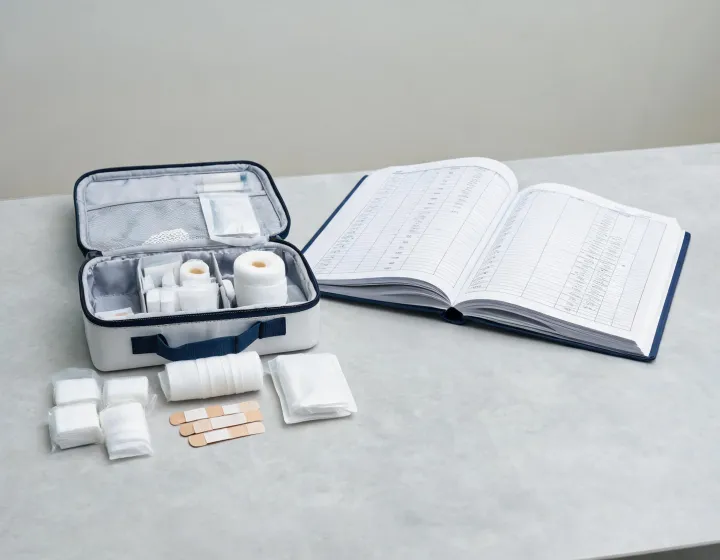
Comparable inputs
List every requested component, count and size. Mark brand-neutral alternatives separately so substitutions remain visible.
State whether the quantity means complete kits, refill packs or individual pieces, then split variants where contents differ.
Ask for labels, material declarations, shelf-life support and other documents tied to the exact quoted model and manufacturer.
Record the US destination, desired timing and freight scope so product price and landed responsibilities are not mixed.
Distributors usually need repeatable kit definitions, case and inner-pack counts, replacement logic and a revision-controlled component list before comparing offers.
Merchandising teams should align consumer-facing pack contents, barcode and artwork responsibility, shelf presentation and channel-specific warnings with the quoted unit.
Workplace and facility buyers can separate placement needs, refill plans and site quantities from any suitability decision reserved for their responsible professional.
Define whether a unit is a complete kit, refill pack, carton or individual component. Include the requested component count rather than relying on a generic kit name.
Record container format, dressing construction, dimensions, adhesive or skin-contact requirements, and sterile or non-sterile status where relevant. Unknown fields remain supplier questions.
Normalize currency, quantity basis, included components, packaging, sample charges, tooling, freight scope and stated exclusions before comparing totals.
Check the product identifier, manufacturer, issue date and intended market. A document for another series is a reference, not evidence for the quoted item.
Decision note
We can organize supplier responses and unresolved questions. You retain approval of the specification, evidence, budget, sample and supplier.