Procurement brief
How to Choose an Activity-Specific Hiking and Boating First Aid Kit
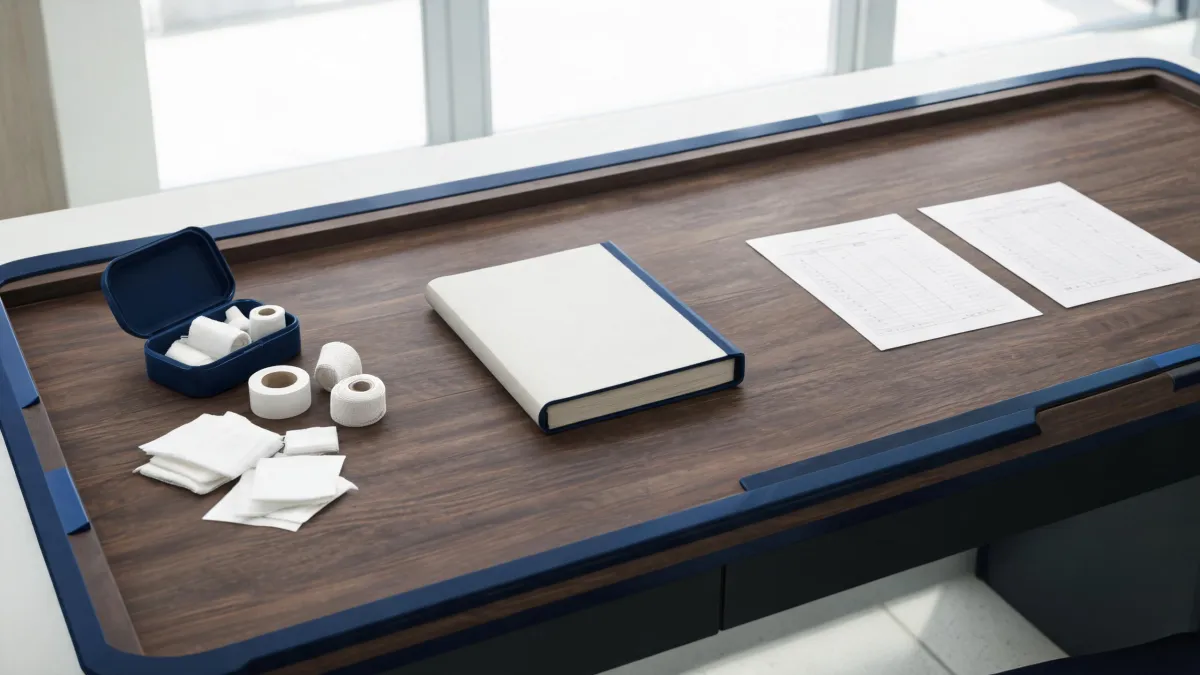
For hiking and boating, buy the kit whose stated activity, carry or access, and room for personal items all match the trip. Item count should not decide the purchase. A kit that reads as activity-specific on paper but sits in the trunk has already failed the purchase, however full the contents list looks. The judgment flips in one case only: if you cannot confirm what activity a kit is described for, or you cannot realistically carry it or reach it during the trip, drop the branded kit and take the simpler one whose contents and additions you can actually check.
Most people assume an activity-specific kit is mainly a longer list of outdoor items, and that more contents means more readiness. In fact the category guidance separates two things shoppers habitually merge: kits designed for specific activities such as hiking, camping or boating, and the personal items you add yourself, including medications, emergency phone numbers, or anything a health-care provider suggests. The buyer's job is matching design to trip, not counting bandages.
Check Activity Fit Before Item Count
The order of the checks matters more than any single one, because a kit can pass one and fail the next. Run them this way: first, confirm the kit is described for the activity you are planning; second, confirm you can carry it or know exactly where it will be when you need it; third, confirm there is a workable plan for personal items. Only then compare contents.
Reversing that order is the mistake I see most often at the buying stage. A shopper opens two listings, counts items, picks the larger count, or grabs anything with an outdoor-looking label. Counting is tempting because contents lists sit next to each other on a screen while activity descriptions are vague and easy to skim past. The consequence lands on the trail or the dock: the kit that won the count is too bulky to bring, or its contents were never aimed at the situation in front of you, and it stays behind. The correction costs nothing, since the activity, carry and personal-item checks happen before you ever compare contents.
Hiking Candidates Need Carry and Access
Candidates for a hiking kit come in three legitimate types: a kit explicitly described for hiking, a general kit you have opened and adapted with your own additions, and an activity-specific kit whose carry and access you have confirmed against your actual pack and route. Nothing else belongs on the shortlist, however impressive the contents page looks.
A candidate gets excluded when the kit cannot travel with you and you cannot say where it will be when you need it. The guidance on this point is short and unglamorous: carry a first aid kit with you or know where you can find one. A large kit that lives in the car fails that test on a ridge well away from the trailhead, and the failure stays silent until the moment it matters.
Choosing for the pack instead of for the carry is the mistake here. Buyers pick the biggest kit that fits in a daypack, then weight and bulk push it out of the bag on the morning of the hike. Carry and access are candidate requirements, not afterthoughts you handle once the box arrives.
Most people assume an activity-specific label is enough by itself. In fact the label only tells you what the maker designed for; whether the thing travels with you is your question to answer. A small kit that reaches the top of the pack beats a comprehensive one left behind, and you settle that in the store, not in the driveway.
Boating Candidates Need a Stowage Check
Boating shortens the candidate list in a different way. A kit described for boating is the cleanest candidate. A general kit can qualify if you have verified where it will be stowed, that you can reach it under way, and that it holds your own items. A hiking kit does not automatically carry over; the activity examples are listed separately, so crossover has to be checked rather than assumed.
Stowage is the check buyers skip. On a boat the kit is either in a known, reachable place or it is buried under gear in a compartment someone has to unload. If you cannot name the exact spot and who can reach it while the boat is moving, you have a hope rather than a plan.
Treating any outdoor kit as a boating kit because the activities feel adjacent is the mistake here. The consequence surfaces at the worst moment: a case designed around a pack straps onto nothing in a wet locker, or sits somewhere that stays dry only in fair weather. Verify the stated use and the stowage point before shortlisting, and drop anything you cannot answer both questions for.
Recommend or Exclude on Personal-Item Room
Recommend a kit when three things line up: it is described for your activity, you can carry it and get to it on the trip, and there is room or a clear plan for personal items. Exclude it when any one of those cannot be verified before purchase. A kit with more contents is not automatically ahead of a smaller one that passes all three.
Personal items are the part no manufacturer can finish for you. Medications, emergency phone numbers, and anything your own health-care provider has suggested go in after purchase, so the kit has to accept them. A sealed case with no spare space and no pouch forces you to carry a second bag or leave the personal items out. The result is a kit missing exactly the contents that are specific to you.
Stated plainly: I would exclude a kit that leaves no practical room for personal items rather than recommend it for having more of everything else. Room you can add is cheaper than a case you cannot open up. That preference does not hold if you plan to add nothing personal, or if you already carry medications and documents in a separate pouch you trust and always bring. Then the room question is answered elsewhere and the kit gets judged on activity fit and carry alone.
The Pre-Trip Check That Changes the Verdict
The last check happens after you buy and before you leave, and it decides whether any of the above mattered. Confirm the kit you chose is the one traveling with you, or that you know precisely where it is at each stage of the trip. Confirm the personal items and emergency numbers are inside it rather than in a note on your phone you may lack signal to open. If either answer is no, the earlier recommendation is void.
Leaving a good kit at home, in the car, or in a locker on shore is the mistake that erases the purchase. The buying was fine; the outcome matches having bought nothing. A quick check the night before, kit in the bag and personal items inside and numbers on paper, separates a plan from a receipt.
Which brings up what most buyers ask next: what about the general kit already in the closet? Keep it if it passes the same ordered checks, meaning it is suited to your activity, carryable or locatable during the trip, and able to hold your additions. If it fails any of them, replace or exclude it. Relabeling an old kit as your hiking kit changes neither what is in it nor where it will be when you need it.

Jane Smith
I’m Jane Smith, a senior content writer with over 15 years of experience in the packaging and printing industry. I specialize in writing about the latest trends, technologies, and best practices in packaging design, sustainability, and printing techniques. My goal is to help businesses understand complex printing processes and design solutions that enhance both product packaging and brand visibility.
Leave a reply